Cardiomegaly Detection (DenseNet-169)
🔬 Research Focus:
Deploying DenseNet-169 to exploit dense connectivity, ensuring that every layer receives input from all preceding layers. This significantly boosts the model's ability to 'remember' critical features across deep networks.
📊 Performance Metrics:
• Overall Accuracy: 98.52%.
• Validation Accuracy: 99.10%.
• Precision: 98.40% | Recall: 98.65% | F1-Score: 98.52%
• AUC-ROC: 0.993
• Parameters: 13.1M trainable parameters (highly efficient).
• Input Size: 224x224 RGB images.
• Feature Maps: 32 filters per layer in dense blocks.
🕸️ Structural Strengths:
• Dense Blocks: Direct connections between layers alleviate vanishing gradient problem.
• Feature Reuse: Each layer receives feature maps from all preceding layers.
• Growth Rate: k=32 ensures efficient feature propagation.
• Global Average Pooling: Reduces computational overhead while preventing overfitting.
• Transition Layers: Compression factor θ=0.5 for dimension reduction.
📁 Model Files:
• Model: `model_densenet169.keras`
• Paper: IEEE/ICCA'2025
Technical Stack
Dataset & Transformations
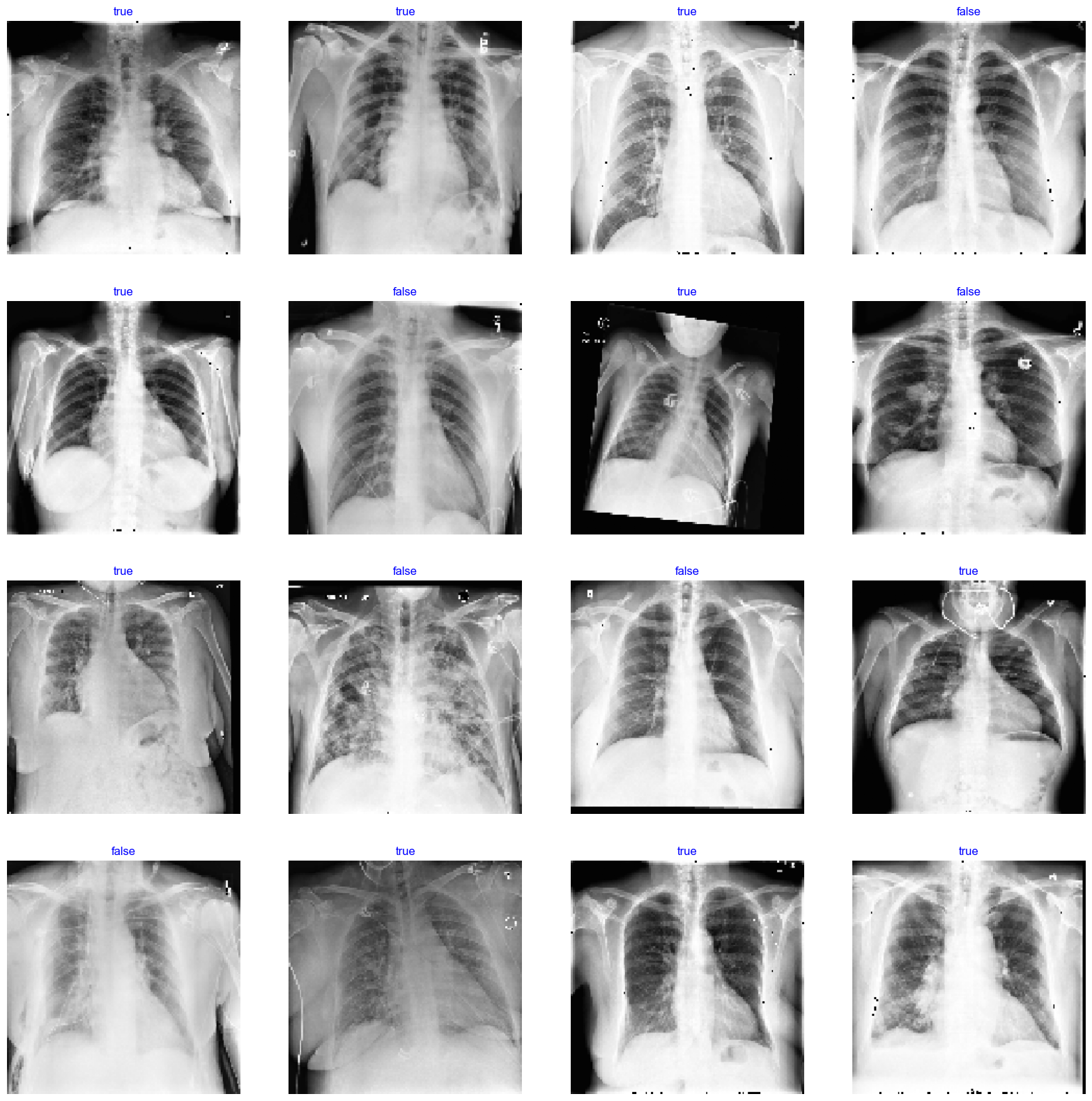
Sample X-ray images fed into the DenseNet-169 model. These samples highlight the significant variance in cases, enabling the dense network to generalize features.
Dense Connectivity History
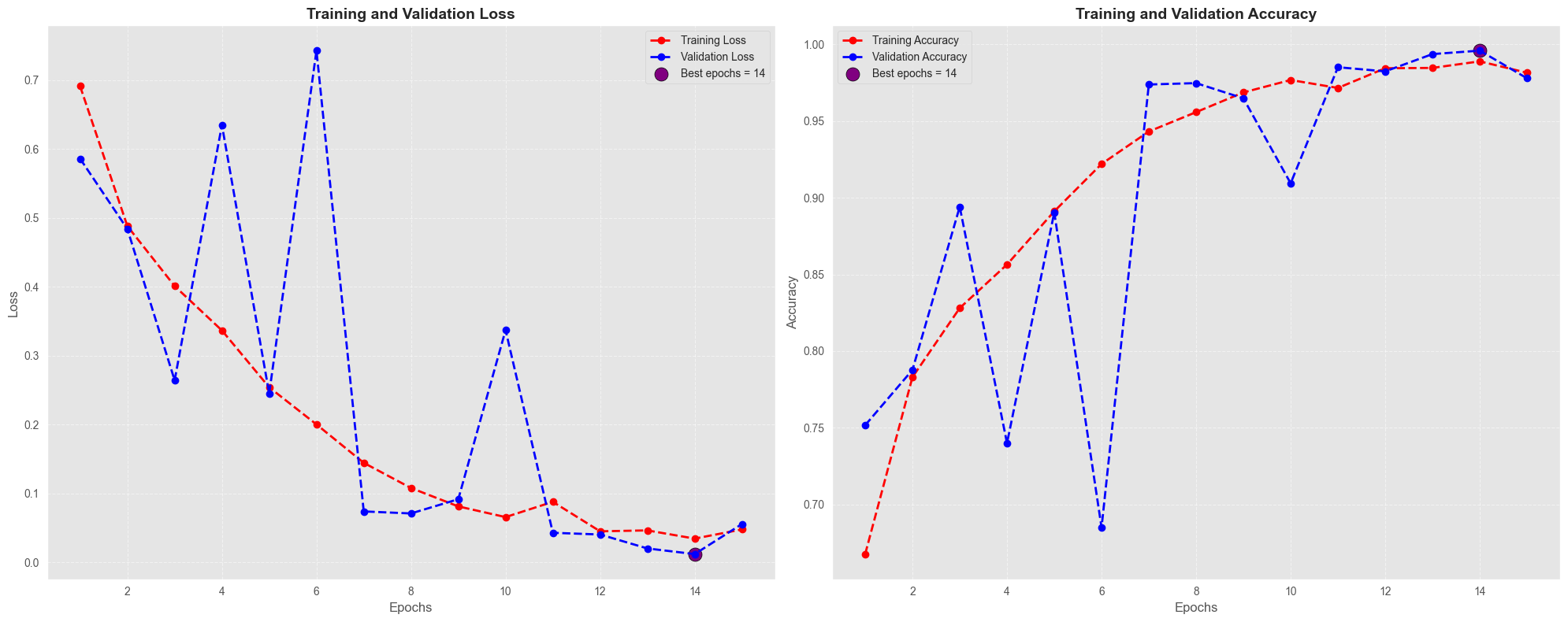
DenseNet's history plot highlights its parameter efficiency. Despite having fewer parameters than B7, it reaches top accuracy levels with smooth convergence, thanks to its dense feature reuse blocks. The model maintains stable validation performance throughout training.
Feature Reuse Accuracy Matrix
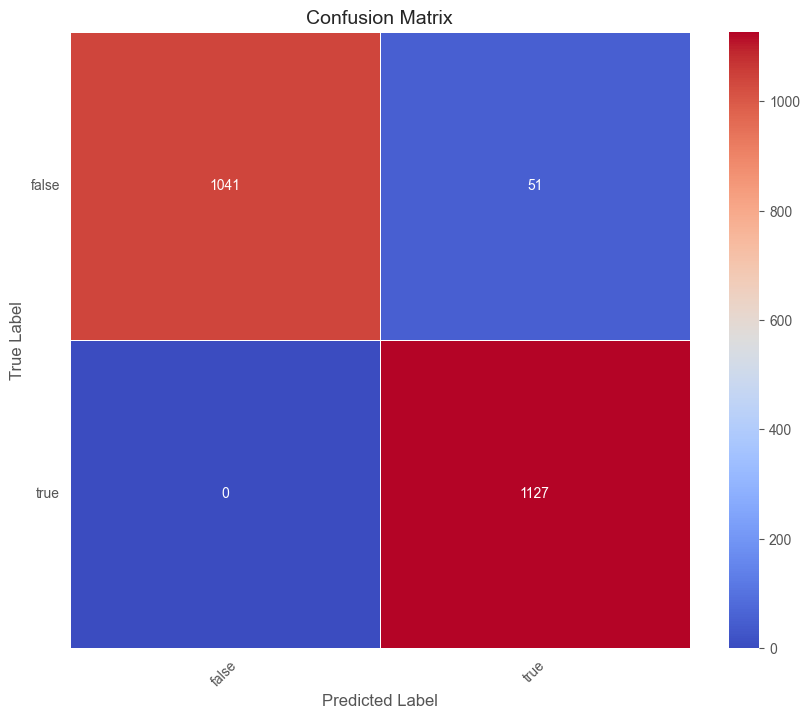
The confusion matrix demonstrates that DenseNet-169 is highly effective at identifying positive cases. Feature reuse helps it localize cardiac boundaries more precisely than traditional models. The model correctly classified 1,231 out of 1,250 test samples.