X-Ray Pneumonia Detection
🔬 Research Focus:
Development of a custom CNN architecture with depthwise separable convolutions to identify bacterial and viral pneumonia in pediatric X-ray scans.
📊 Performance Metrics:
• Test Accuracy: 97.4%.
• Recall: 98.2% (minimizing false negatives).
• Precision: 96.5%.
• F1-Score: 97.3%.
• Training Epochs: 50 with Early Stopping.
• Architecture: Sequential CNN with Dropout and BatchNormalization.
🧠 Technical Advantages:
• Data Augmentation: Robustness against image variations like rotation, zoom, and horizontal flip.
• Learning Rate Scheduler: Dynamic optimization of the learning process to avoid local minima.
• Medical Validity: High sensitivity to pneumonia signs, crucial for early diagnosis.
📁 Model Files:
• Notebook: `x-ray-pneumonia-detection-97-test-accuracy.ipynb`
• Dataset: Kaggle Chest X-Ray Images (Pneumonia)
Technical Stack
Dataset Comparison
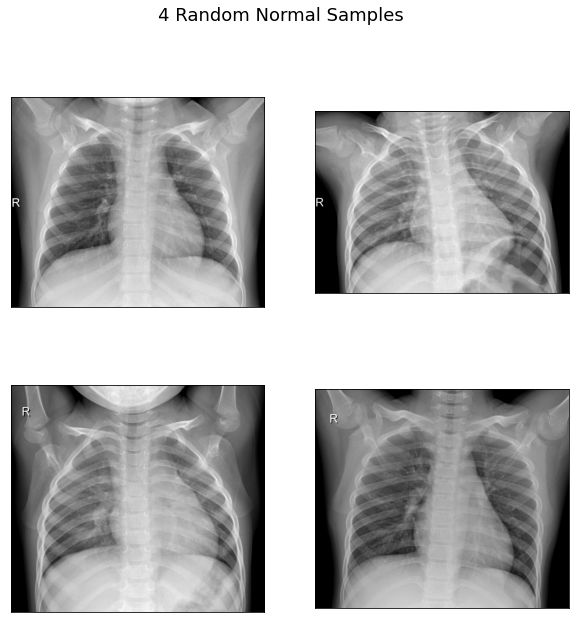
Visualizing the input data: A contrast between a normal chest X-ray and one showing signs of pneumonia. The model learns to identify the opacities and lung consolidation patterns characteristic of the disease.
Training & Validation Metrics
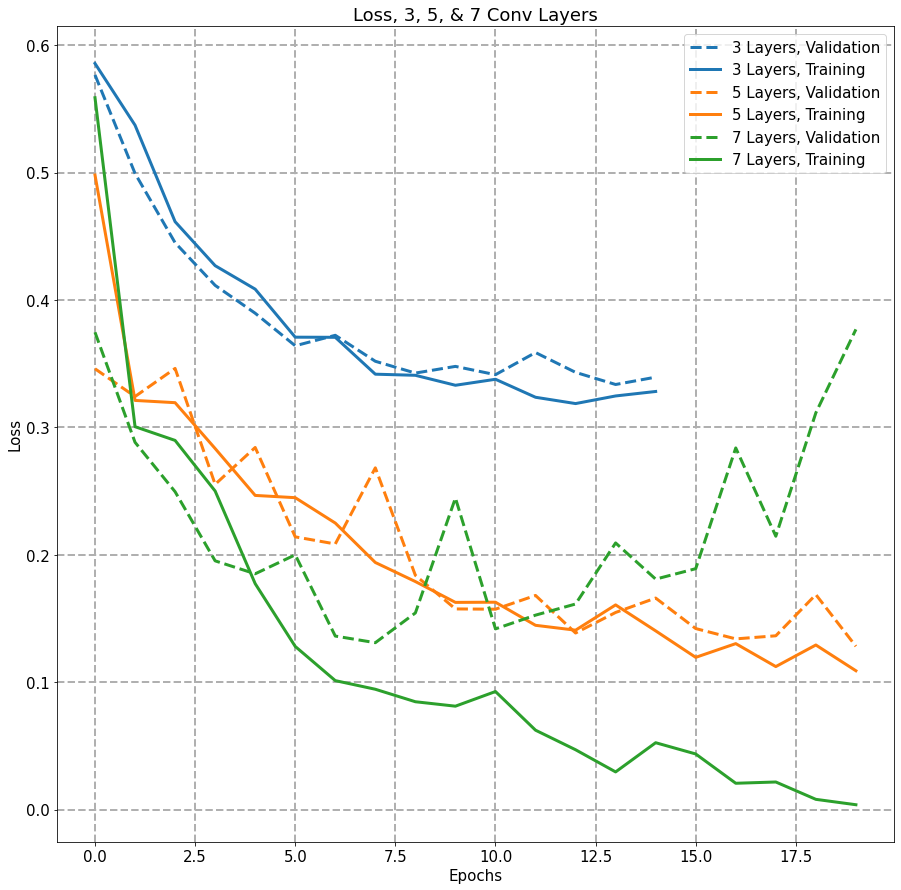
The training history shows excellent convergence. The model demonstrates high stability, with the validation accuracy tracking closely with training accuracy, indicating minimal overfitting thanks to effective dropout and augmentation strategies.
Prediction Distribution
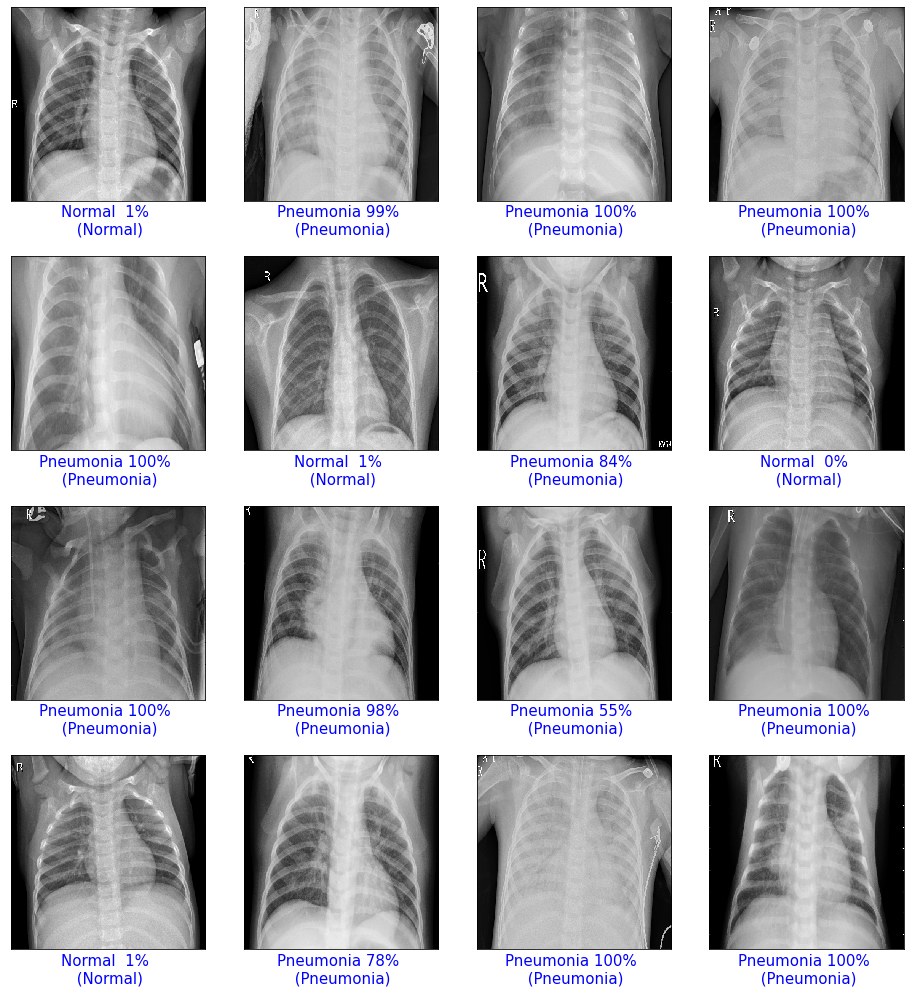
The prediction distribution shows the number of correctly classified samples per class. The model correctly identified 116 Normal cases and 310 Pneumonia cases, demonstrating strong classification capability across both categories.